
F1 2026 Melbourne Race: Ferrari's VSC Disaster Hands Russell Victory, Mercedes Shows Masterclass Pace Management
The 2026 Formula 1 season has officially kicked off in Melbourne. While the Mercedes 1-2 finish was largely anticipated, a deep dive into the race telemetry reveals a much more complex narrative. Mercedes was undoubtedly strong, but a massive strategic gift from Ferrari essentially allowed George Russell to manage his pace and cruise to victory.
Let's dissect the telemetry data, from engine mapping loopholes to the aerodynamic flaws of the midfield, to understand what really happened at Albert Park.
The Illusion of Pace: Why Russell Managed the Race
Starting with the average race pace, the data paints an unexpected picture. Looking strictly at the numbers, Mercedes rookie Kimi Antonelli was actually the fastest driver on track, followed closely by Lewis Hamilton, who was just 0.05 seconds behind him.
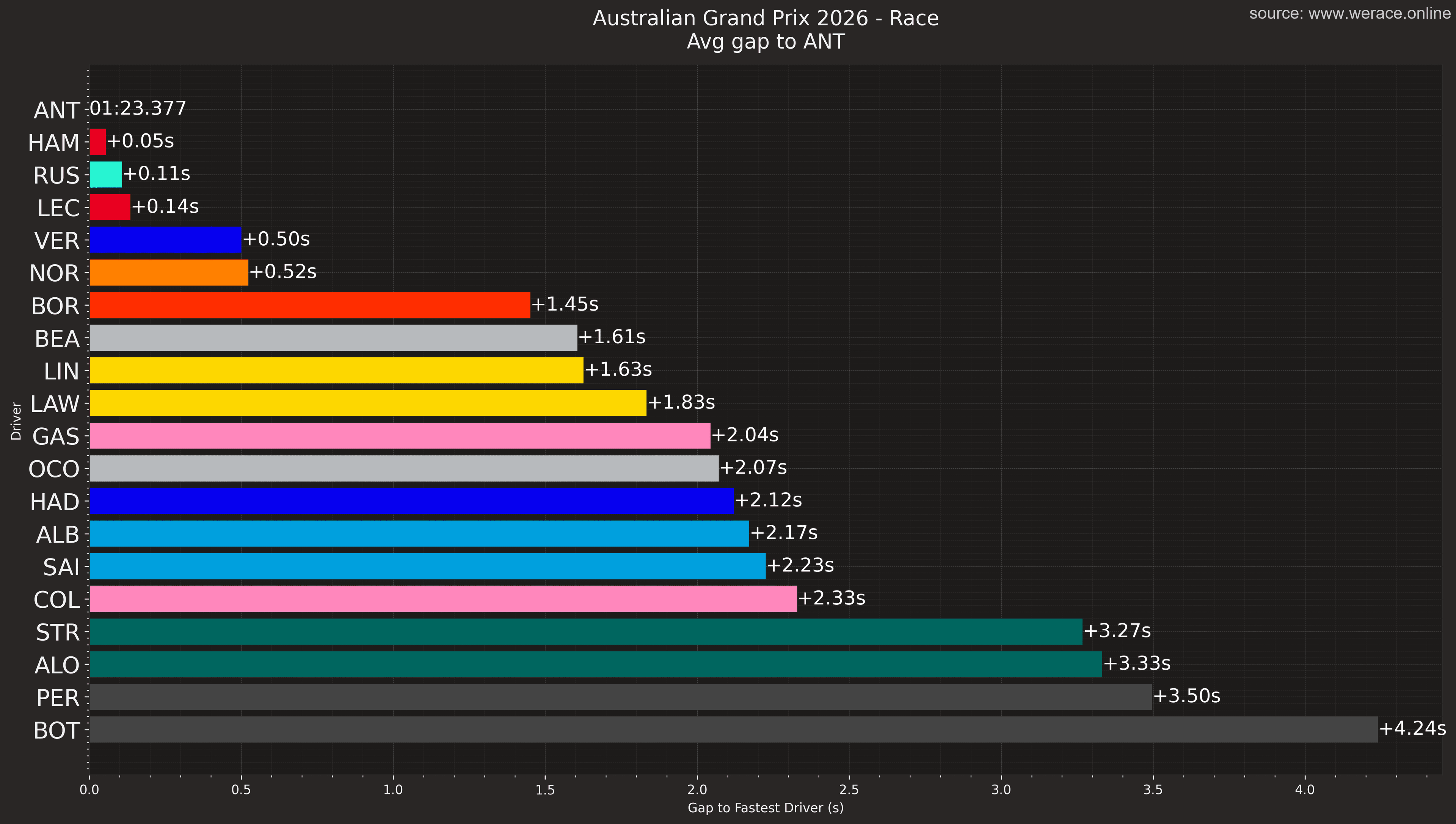
Race winner George Russell's average gap was double that. This immediately tells us a crucial story: once Russell secured track position, he went into severe tire and energy management mode.
The Exact Moment Ferrari Lost the Race
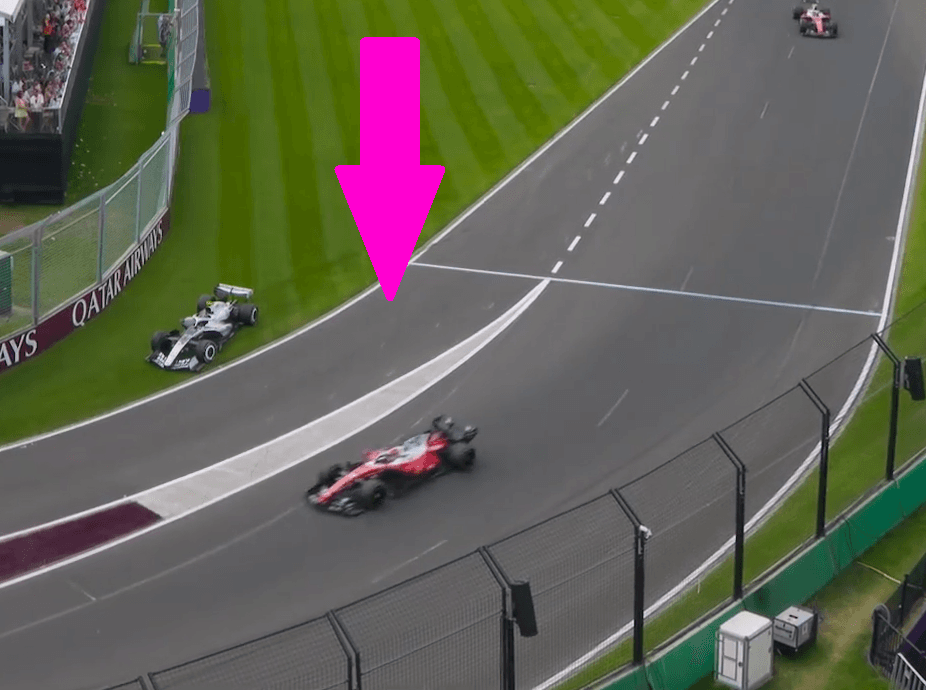
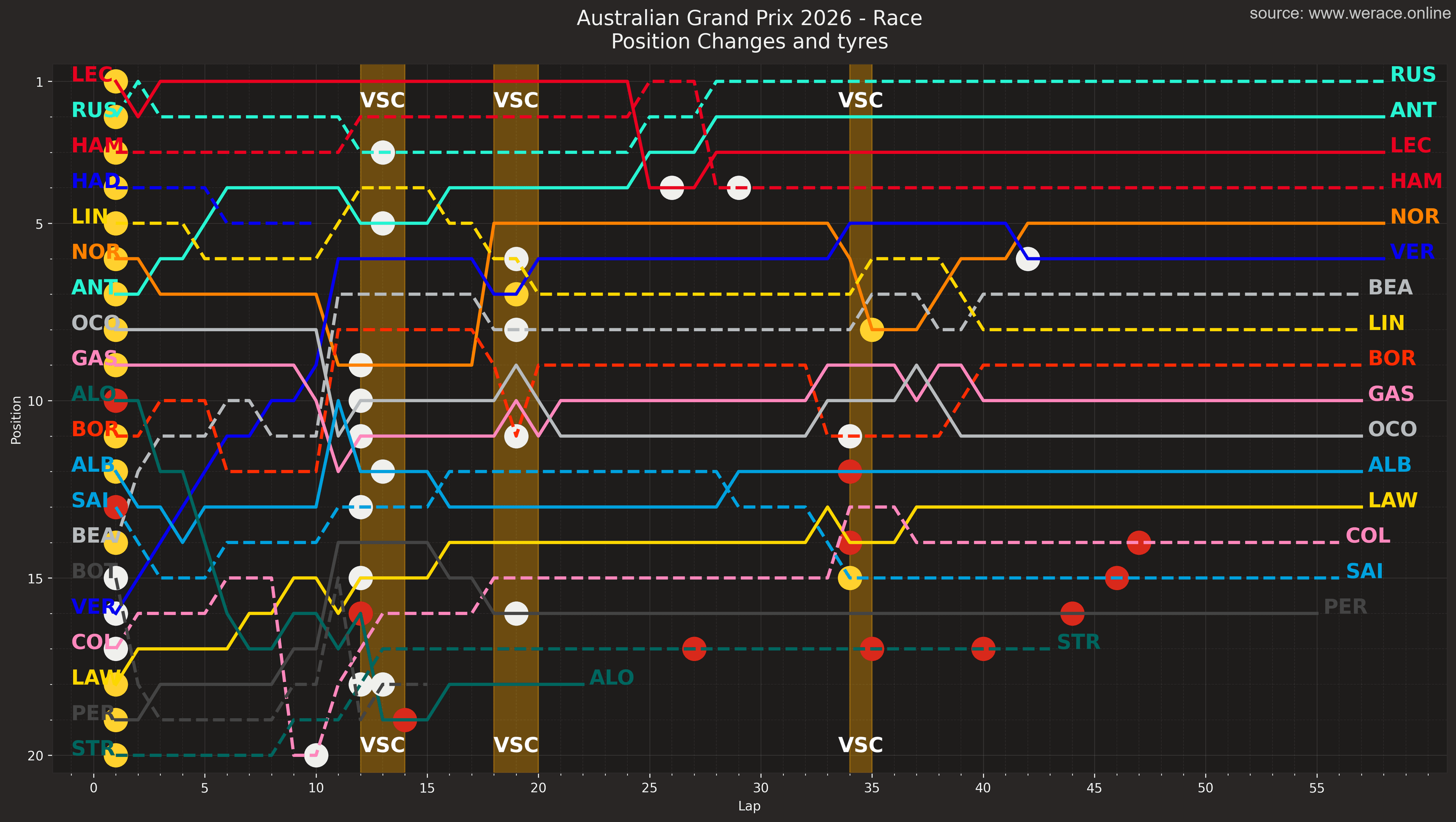
Russell's ability to comfortably manage his pace was a direct result of Ferrari's pit wall miscalculations. The Scuderia completely failed to capitalize on the Virtual Safety Car (VSC) phases—first when Hadjar blew his Red Bull engine, and fatally when Valtteri Bottas stopped at the pit lane entry.
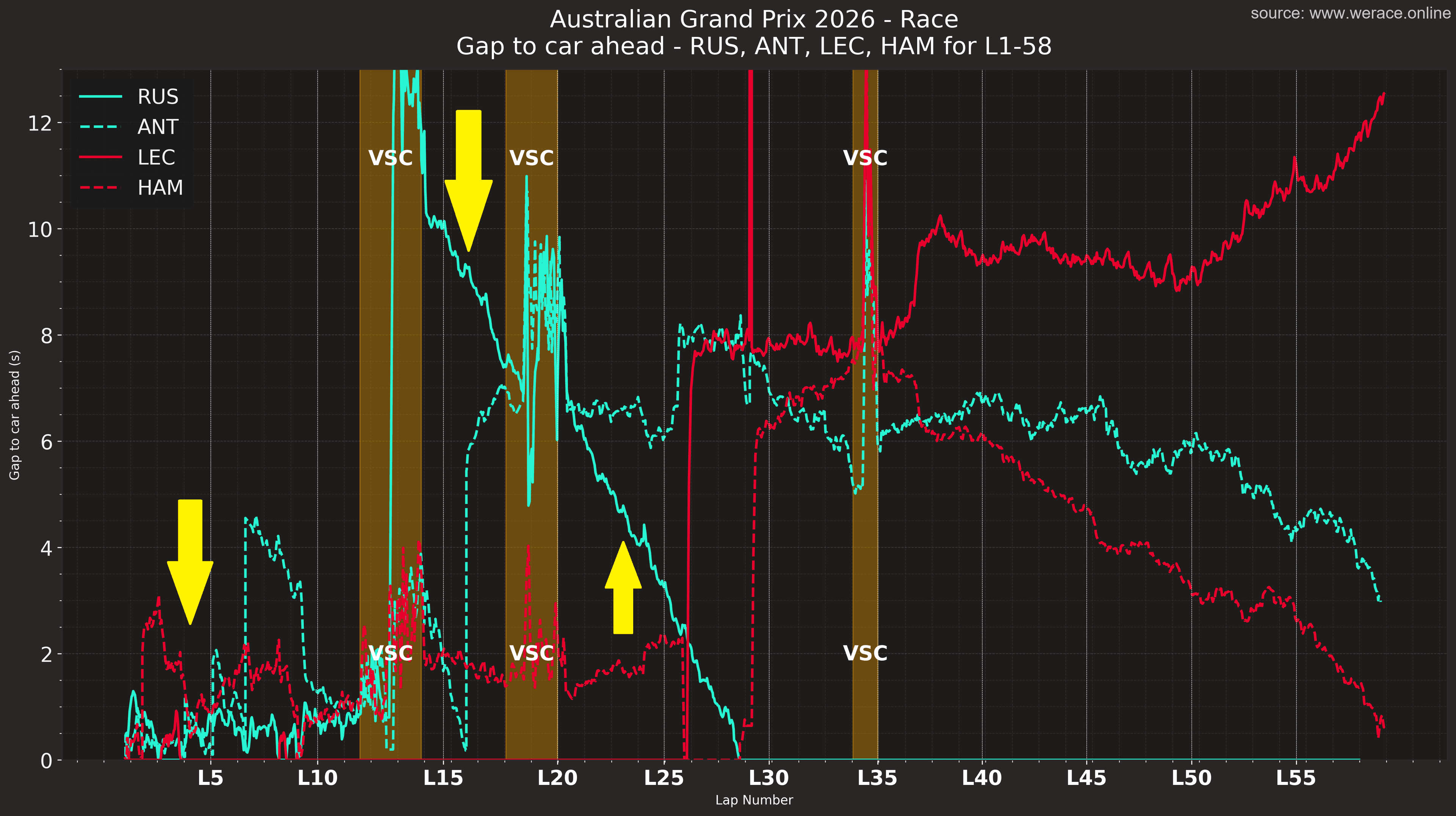
As Lewis Hamilton correctly pointed out over the radio, Ferrari's biggest mistake was failing to split the strategy between their two cars. At lap 12, with Bottas stopped and yellow flags waving, both Ferraris crossed the line just as the VSC was deployed and the pit lane was closed for safety. Pitting at least one car at that exact moment was the only aggressive call that could have secured track position. Even if the mechanics were unprepared due to the late call, the time gained under the VSC delta would have been massive.
The Technical War: Small Turbos vs. Dead Batteries
Ferrari's missed opportunity is even more painful when analyzing their underlying pace. Before the safety car interventions, Hamilton and Charles Leclerc were easily matching, and sometimes exceeding, Russell's lap times. The SF-26 is inherently fast, and its greatest weapon is off the line.
Ferrari has deliberately opted for a smaller turbocharger assembly compared to their rivals. A smaller turbo facilitates much quicker turbine spin at low RPMs, guaranteeing monstrous reactivity and traction out of slow corners when the car is weighed down by fuel.
Mercedes, conversely, suffered a near-disaster on the grid. Telemetry reveals both Russell and Antonelli started the race with completely drained batteries. Without the hybrid deployment that usually kicks in above 50 km/h, they seriously risked stalling out of their grid boxes.
However, the laws of thermodynamics are inescapable. While Ferrari's small turbo is a weapon at the start, the dynamic flips at the end of the race. On low fuel, when high-end power and straight-line speed are paramount, Mercedes' larger turbocharger comes alive, allowing them to easily pull away on the straights.
Electrical "Party Modes" and Mercedes' Monster Chassis
Why does Ferrari look so much better on Sunday than on Saturday? The answer lies in the new 2026 regulations. The mandated "single engine map" only applies to the Internal Combustion Engine (ICE), leaving electrical deployment completely unrestricted. Mercedes and Red Bull have engineered a brutal electric 'Party Mode' for qualifying, extracting massive energy over a single lap. In race conditions, where energy must be strictly managed, this gap flattens out, and Ferrari's tire-friendly chassis shines.
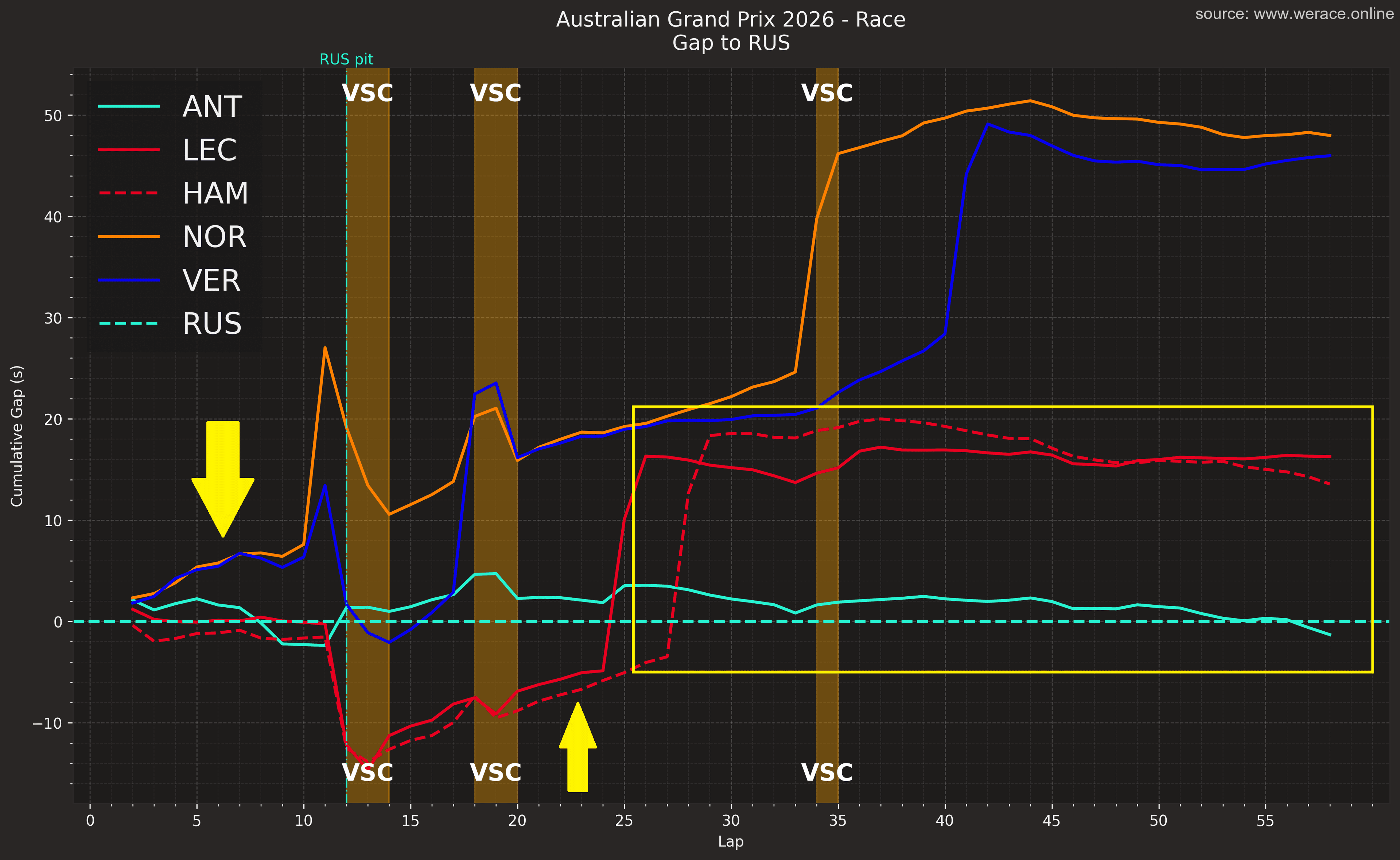
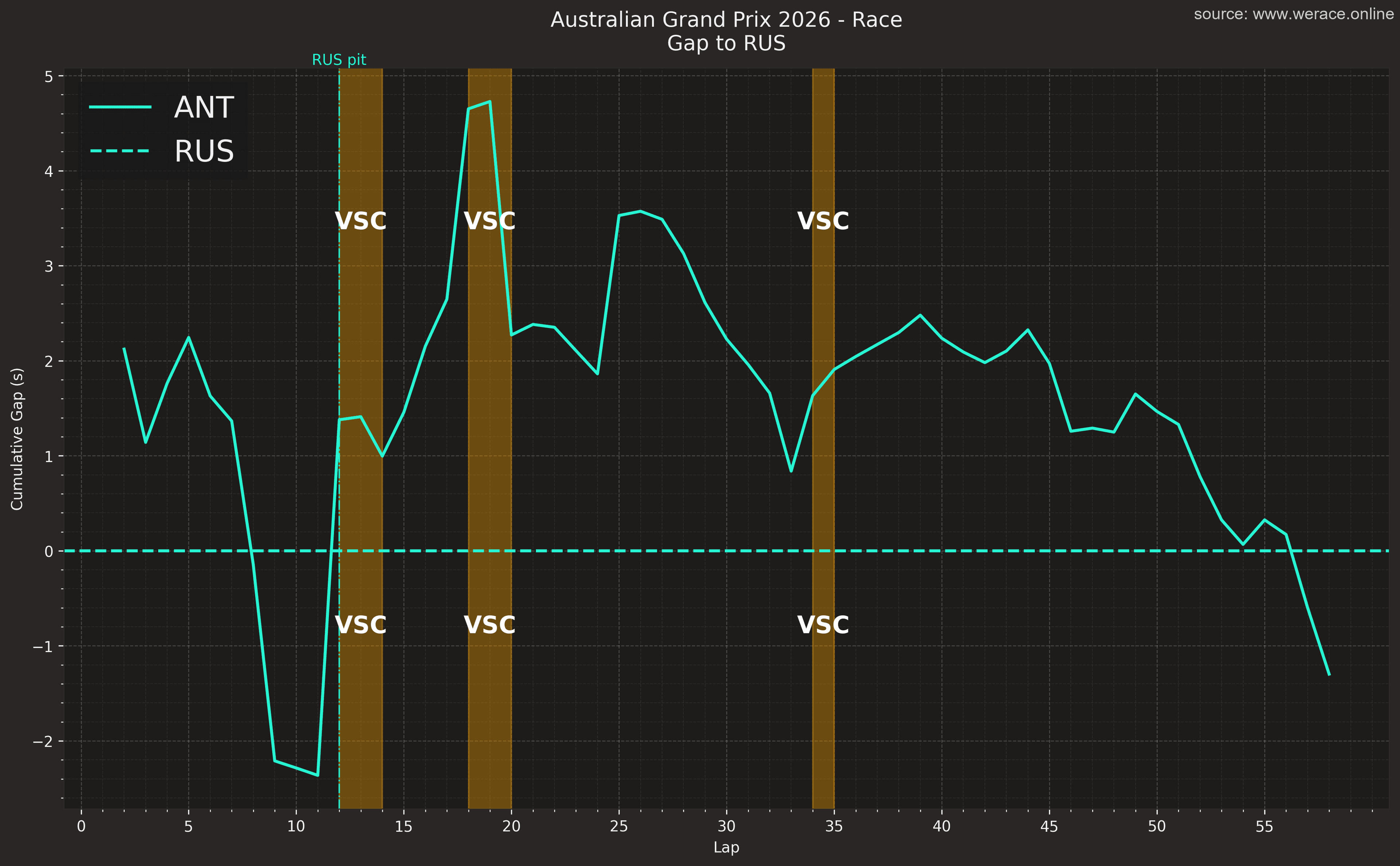
However, Mercedes isn't just winning on engine grunt. Looking at the cumulative gap charts, Russell's advantage post-VSC was staggering. What is truly frightening is that Russell and Antonelli completed 46 laps on the Hard compound. Despite team radios confirming left-front graining, their lap times never collapsed. This proves the W17 has a phenomenally balanced chassis capable of digesting tire degradation in an absurd manner.
Hamilton's Resurgence and McLaren's Drag Crisis
Perhaps the most pleasant surprise of the weekend was Lewis Hamilton. Working flawlessly with his race engineer Santi, Lewis proved these new cars suit his driving style perfectly. Looking at the stint-by-stint breakdown, his second stint was an absolute masterclass. He was consistently the fastest man on track, pulling 0.15s per lap on Leclerc and a full second on the Mercedes duo.
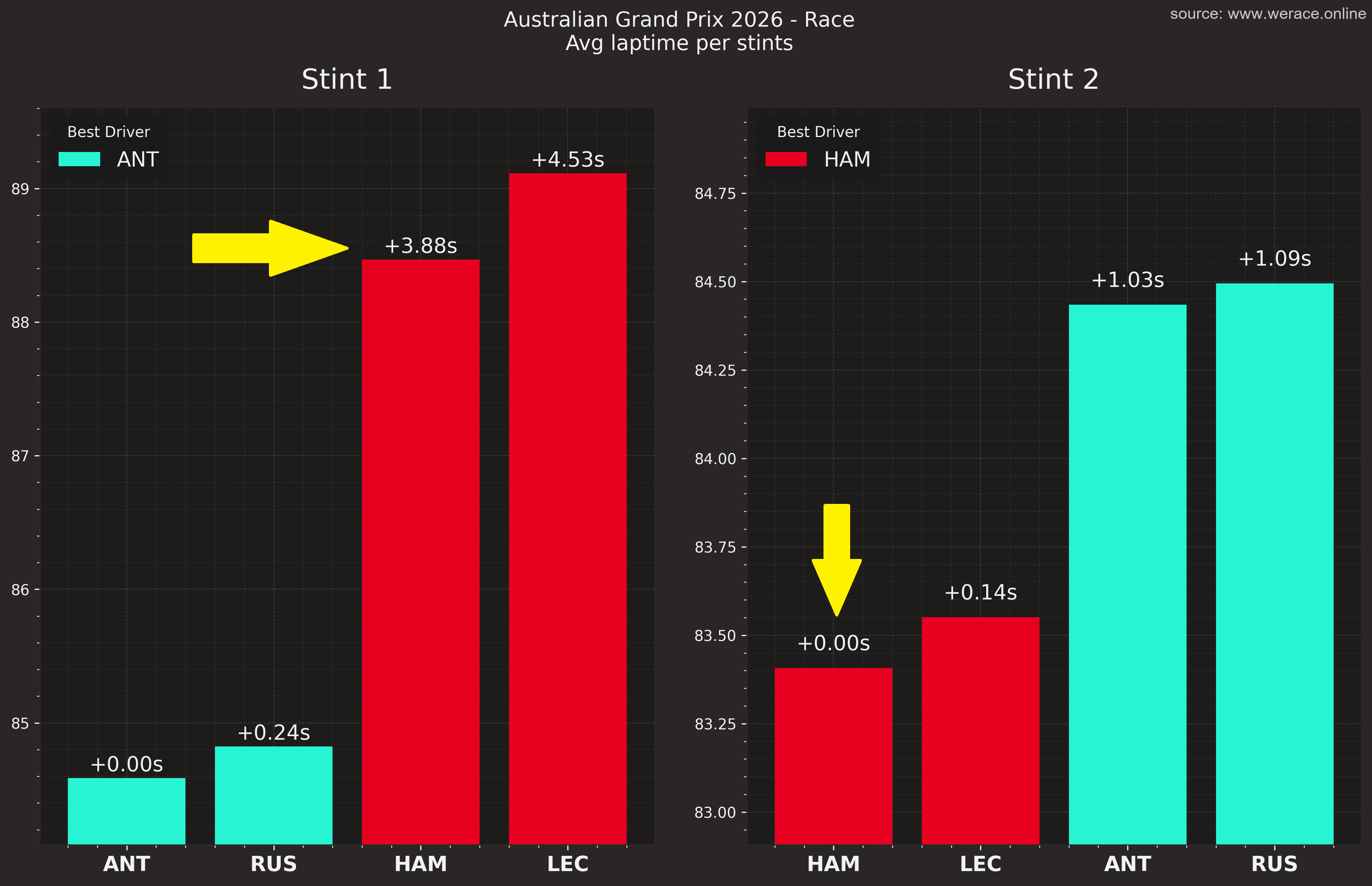
On the other end of the spectrum is McLaren. Lando Norris endured a completely anonymous race. McLaren opted for a two-stop strategy, which should have yielded a significant pace advantage, yet Norris's pace was virtually identical to Max Verstappen's (who started from the back of the grid).
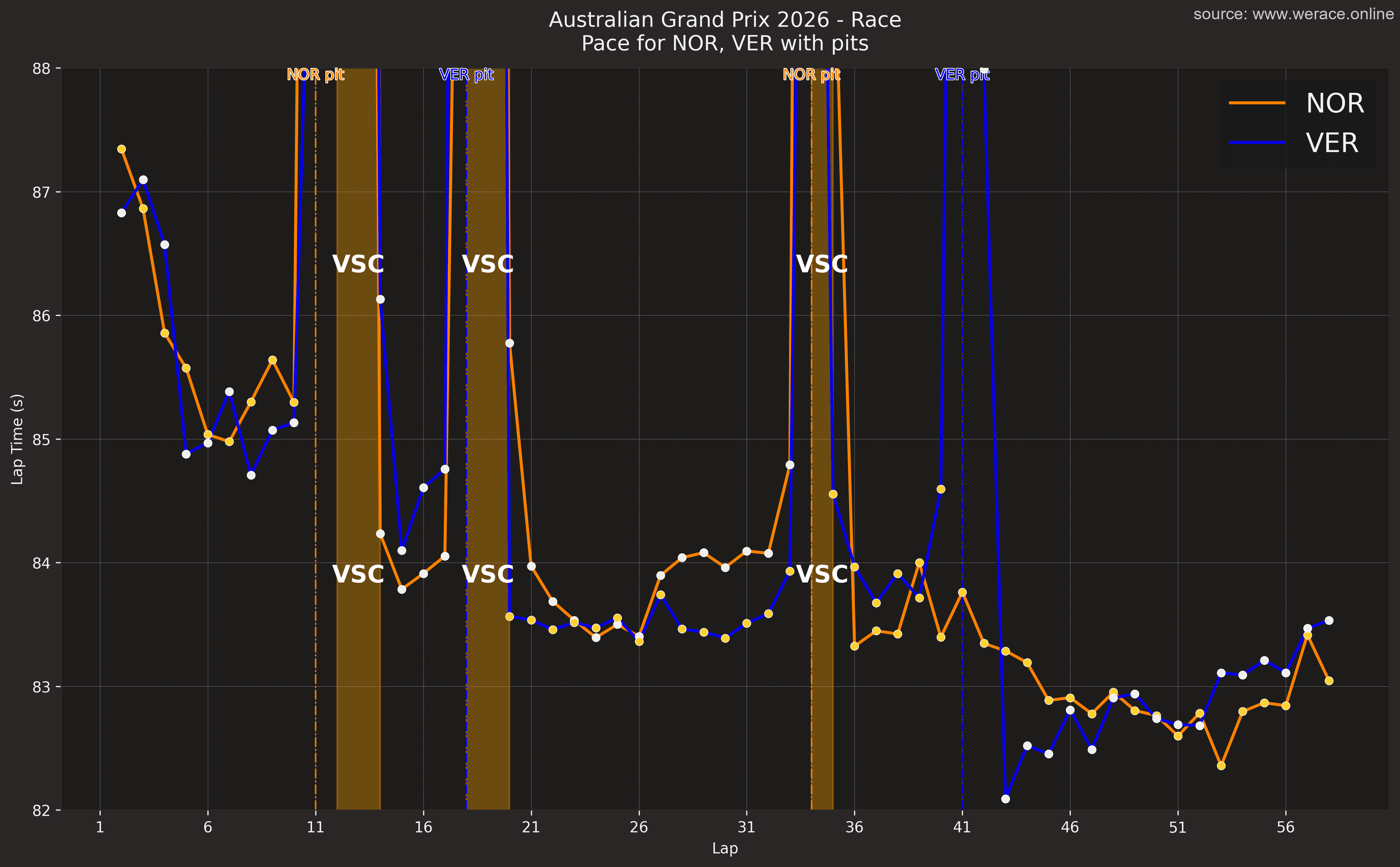
During the race phase, both lose a lot of time in the middle, but being at two stops right here:
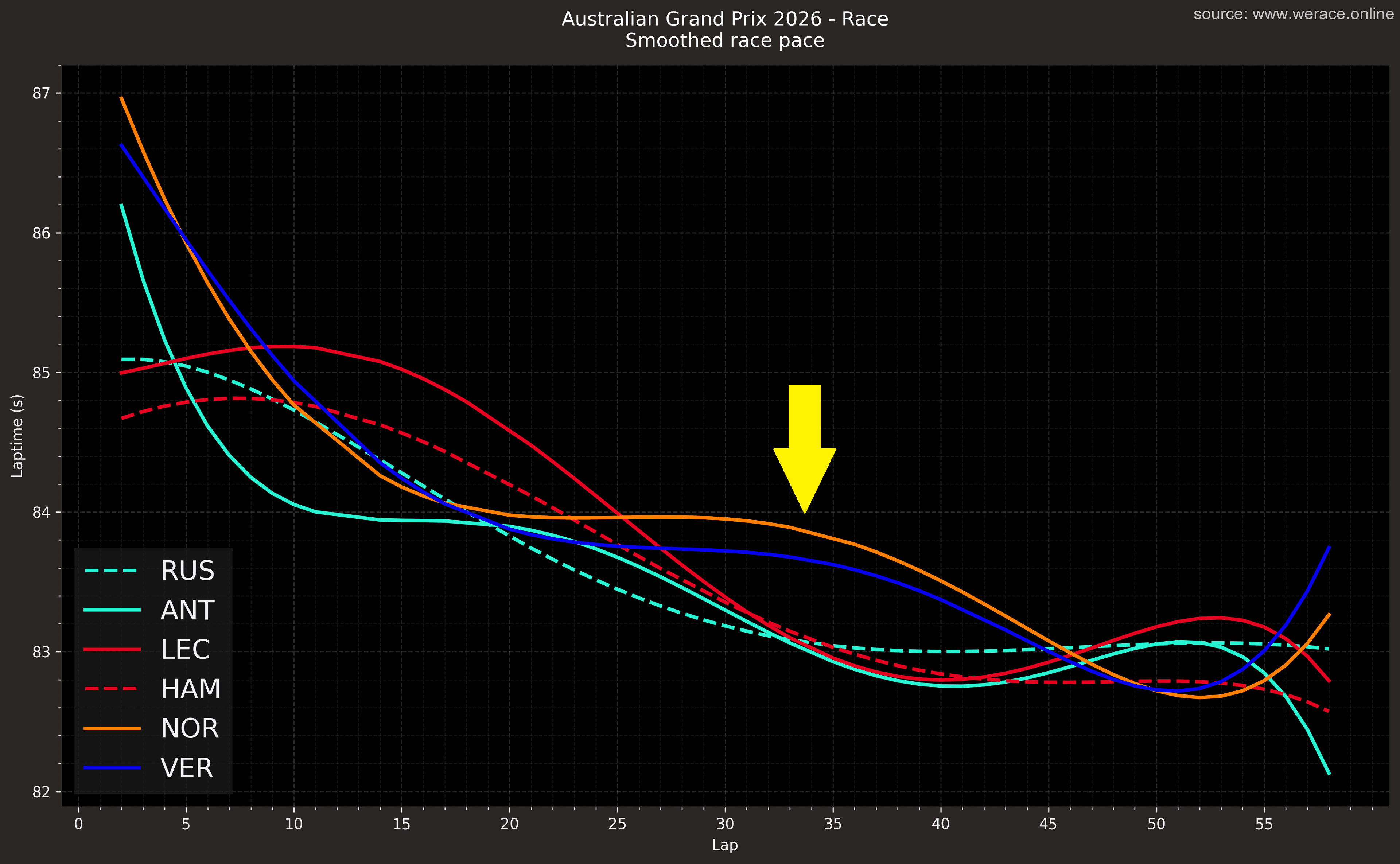
They should have been the fastest, but they are not.
Andrea Stella confirmed the MCL40 is suffering from chronic front graining—a legacy issue from previous seasons—compounded by a severe lack of aerodynamic load. In the 2026 era, inefficient aero means higher drag. Higher drag translates directly into burning through the electrical battery much faster than the competition.
Intra-Team Battles and the Midfield Order
Within Mercedes, Kimi Antonelli showed incredible promise. Despite a suboptimal setup, his pace mirrored Russell's perfectly, and towards the end of the race, he was actually catching his teammate.
In the midfield, Red Bull established themselves as the clear third force, highlighted by Verstappen's recovery to P6 and an exceptional P8 finish by rookie Arvid Lindblad. Oliver Bearman also deserves praise for securing P7 in a Ferrari-powered Haas. Aston Martin, however, was a disaster, essentially using Fernando Alonso as a mobile test bed before retiring him to save components.
F1 or Mario Kart? The Reality of Super Clipping
Finally, we must address Charles Leclerc comparing the new regulations to "Mario Kart". The extreme straight-line overtakes we witnessed are a direct consequence of "Super Clipping"—where drivers abruptly cut electrical power mid-straight, creating massive speed deltas. It feels artificial, and far removed from the classic concept of late-braking duels.
However, before we become overly pessimistic, let's remember that the old DRS system was equally artificial. More importantly, the Albert Park circuit is arguably the most energy-draining track on the calendar.
Next week, we head to Shanghai. The massive braking zone into Turn 1 is an absolute goldmine for battery regeneration. With easier energy recovery, the extreme Super Clipping will fade, software strategies will converge, and we are highly likely to see a return to natural, late-braking battles. The competitive order at the front could easily shuffle once again. See you at the next article!